

Digital transformation is no longer just a priority for large businesses. Charities and social service agencies in Singapore also rely on technology to manage client information, coordinate services, communicate with teams, protect sensitive data, and deliver better outcomes to the communities they support.
The challenge is that many organisations operate with limited budgets. Investing in new software, improving cybersecurity, moving systems to the cloud, or upgrading IT infrastructure can feel difficult when funding is already allocated to frontline programmes and essential services.
This is where funding support such as the Transformation Sustainability Scheme (TSS) can be relevant.
If your organisation is considering a digital transformation project in 2026, understanding what the scheme is intended to support, what costs may be eligible, and how to plan your project can help you make more informed decisions.
What Is the Transformation Sustainability Scheme (TSS)?
The Transformation Sustainability Scheme (TSS) is designed to support eligible organisations with transformation initiatives that strengthen their capabilities and sustainability.
For charities and social service agencies, funding support can make it easier to invest in technology and operational improvements that may otherwise be difficult to prioritise.
Rather than viewing digital transformation as simply purchasing new technology, organisations should look at how a proposed project will improve the way they operate.
For example, a digital project could help an organisation:
- Improve internal processes
- Reduce repetitive administrative work
- Strengthen data management
- Improve collaboration between teams
- Enhance service delivery
- Strengthen cybersecurity
- Make better use of organisational data
- Support long-term operational sustainability
The exact eligibility requirements, supported costs, funding quantum and application conditions can change, so as an organisation, one should always check the current scheme requirements before committing to expenditure.
Why Digital Transformation Matters for Charities and Social Service Agencies
Technology often has a direct impact on how effectively a charity or social service agency serves its clients.
Many organisations manage large amounts of information, including client records, donor information, financial data, employee records and operational documents. When this information is spread across spreadsheets, emails, personal devices or disconnected systems, employees can spend significant time searching for information or completing tasks manually.
A well-planned digital transformation project can bring these processes together.
For example, an organisation may replace outdated systems with cloud-based platforms, automate administrative workflows, introduce better reporting tools or strengthen the way staff access and share information.
The goal should not simply be to become “more digital”. It should be to use technology where it creates a practical improvement for staff, volunteers and the people the organisation supports.
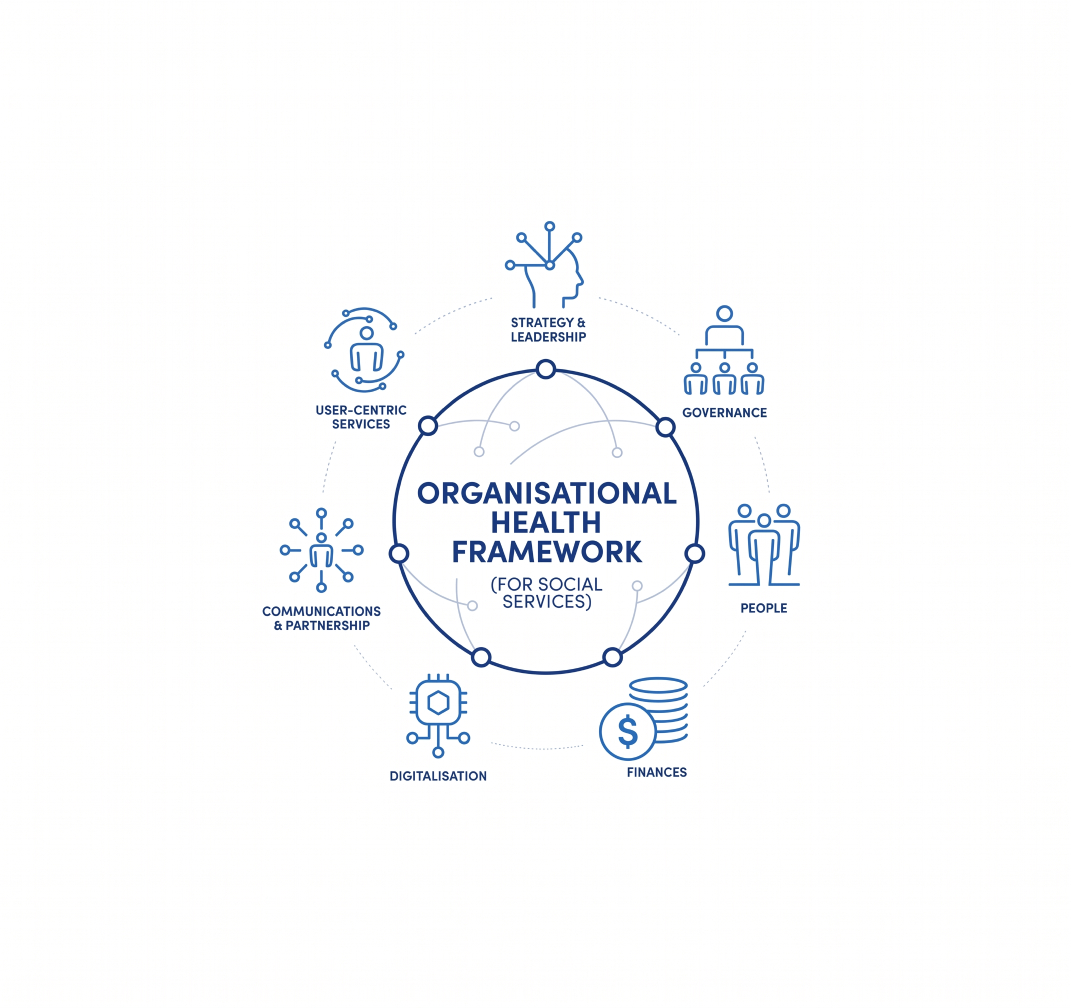
What Could TSS Funding Mean for Your Organisation?
Funding support can potentially reduce the financial barrier associated with transformation projects. If you are a charity or social service agency, this can be particularly valuable because technology expenditure has to compete with many other priorities.
A transformation project may involve costs associated with areas such as:
Digital Systems and Software
Organisations may need new platforms to manage operations, communications, documentation, customer or client relationships, finance, human resources or other workflows.
Moving away from outdated or fragmented systems can make everyday processes easier to manage.
Cloud Technology
Cloud-based systems can provide organisations with greater flexibility and make information accessible to authorised staff when they need it.
However, moving to the cloud should be approached carefully. Security, access controls, backup arrangements and data management should all be considered before migration.
Cybersecurity
Digital transformation also increases the importance of cybersecurity. As organisations store more information digitally and rely on connected systems, they need appropriate protection against phishing, ransomware, unauthorised access, data loss and other cyber threats.
A transformation project can therefore be an opportunity to review security rather than treating cybersecurity as something to address later.
Data and Reporting
Better data systems help organisations understand their programmes, resources and operational performance.
Instead of manually compiling information from different sources, a properly integrated system can make reporting more consistent and accessible.
For charities and social service agencies, this can support better planning and help teams make decisions based on reliable information.
Who Should Consider TSS for Digital Transformation?
The first step is determining whether your organisation and proposed project meet the current eligibility requirements.
Charities and social service agencies should consider factors such as:
- Whether the organisation falls within the scheme's eligible beneficiary categories
- Whether the proposed project meets the scheme's transformation objectives
- Whether the intended expenditure is eligible
- Whether required documentation can be provided
- Whether the project must receive approval before costs are incurred
- Whether there are specific implementation or reporting requirements
Eligibility should never be assumed simply because a project involves technology.
The strongest approach is to start with the current TSS requirements and then assess whether your proposed project fits.
How to Plan a Strong Digital Transformation Project
Applying for funding should not be the starting point of your technology strategy. Instead, begin by identifying the problem your organisation wants to solve.
1. Identify Your Current IT Challenges
Look at where your organisation is experiencing inefficiencies.
Are employees spending too much time on manual administration? Are different departments using disconnected systems? Is important information difficult to access? Are your existing systems becoming outdated?
A clear understanding of these challenges helps establish the reason for transformation.
2. Define the Desired Outcome
Once you know the problem, determine what success should look like. For example, the goal could be to reduce manual processes, improve data visibility, strengthen security or make it easier for teams to collaborate.
Clear outcomes make it easier to evaluate technology options and explain the value of the proposed project.
3. Review Your Existing Technology
Before buying anything new, assess what you already have. Some organisations may be able to improve their existing systems rather than replacing everything.
A technology assessment can identify outdated software, unsupported systems, security gaps, unnecessary subscriptions and opportunities for integration.
4. Build a Realistic Budget
Digital transformation involves more than the initial purchase price. Consider implementation, configuration, migration, training, cybersecurity, ongoing support, maintenance and future licensing requirements.
A realistic budget gives your organisation a better understanding of the total cost of ownership.
5. Consider Your People
Technology only delivers value when people can use it effectively. Staff and volunteers may need training to understand new systems and processes. Change management should therefore form part of the project rather than being treated as an afterthought.
Cybersecurity Should Be Part of the Transformation Plan
For organisations handling sensitive personal and client information, cybersecurity cannot be separated from digital transformation. Introducing a new platform without reviewing security can create new risks.
Before implementing new technology, consider:
- Who will have access?
- What information will be stored?
- How will user accounts be protected?
- Is multi-factor authentication available?
- How will access be removed when someone leaves?
- How will data be backed up?
- What happens if the system becomes unavailable?
- How will suspicious activity be detected?
- What happens if the organisation experiences a cyber incident?
These questions become increasingly important as organisations adopt cloud platforms, remote access, mobile devices and integrated applications.
Common Mistakes to Avoid
Digital transformation can become unnecessarily expensive or complicated when organisations rush into implementation. One common mistake is choosing technology before clearly identifying the problem.
Another is focusing only on upfront costs while overlooking implementation, training, support and ongoing maintenance.
Organisations can also underestimate cybersecurity. A new system may improve productivity while simultaneously creating additional access points that need to be secured.
Finally, avoid trying to change everything at once. A phased approach can make transformation easier to manage, particularly for smaller charities and agencies with limited internal IT resources.
How Managed IT Support Can Help
Digital transformation does not end when new software is installed.
Organisations still need to manage users, devices, security, updates, backups, troubleshooting and ongoing system performance. This is where professional IT support provides value.
At Entrust, we help organisations approach technology with a focus on reliability, security and practical business outcomes. Our IT support can help you assess your current environment, identify areas for improvement and build a technology strategy that aligns with your organisation’s needs.
For charities and social service agencies considering transformation funding, having the right technical guidance can also help ensure that a proposed project is realistic, secure and sustainable.
Make Digital Transformation a Sustainable Investment
Funding can make digital transformation more accessible, but the real value comes from choosing the right improvements for your organisation.
The Transformation Sustainability Scheme (TSS) 2026 may provide an opportunity for eligible charities and social service agencies to invest in technology and transformation initiatives that strengthen their long-term capabilities.
Start by understanding your organisation’s current challenges, define measurable goals, review the latest eligibility requirements and build a realistic implementation plan.
Most importantly, think beyond the technology itself. A successful transformation should make everyday work easier, protect important information and ultimately help your organisation deliver better services to the people who depend on it.
About Entrust
Our professional team at Entrust provides practical IT and cybersecurity support to help organisations in Singapore use technology more securely, efficiently and confidently.
Check Out Our Services!
If your organisation is planning a digital transformation project, we help you assess your current IT environment and identify practical ways to improve your systems, security and ongoing support.
Frequently Asked Questions
The Transformation Sustainability Scheme is a funding initiative designed to support eligible organisations with transformation efforts that can strengthen their capabilities and long-term sustainability. Organisations should check the latest official requirements to confirm eligibility and supported project costs.
Eligible charities may be able to receive support for qualifying transformation initiatives involving technology and digitalisation. Whether a specific IT project qualifies depends on the current scheme requirements and the nature of the proposed project.
New digital systems can create new security risks if they are not implemented correctly. Including cybersecurity from the beginning can help protect sensitive information, control access and reduce the likelihood of incidents such as ransomware or unauthorised access.

About the Authors
Jamson Lim is an IT and cybersecurity professional with over 20 years of experience helping organisations strengthen cybersecurity, modernise infrastructure, adopt cloud technologies, and improve governance.
He has worked with SMEs, healthcare organisations, charities, Non-Profit Organisations (NPOs), and Social Service Agencies in areas including Microsoft 365, cybersecurity assessments, ISO 27001, PDPA compliance, cloud transformation, and digital workplace initiatives.
His focus is helping organisations align technology investments with business objectives, operational efficiency, cybersecurity resilience, and long-term sustainability.
